Four Days in Malaysia: Exploring Culture, Learning Dhamma, and Building Friendships Among ASEAN Buddhist Youth
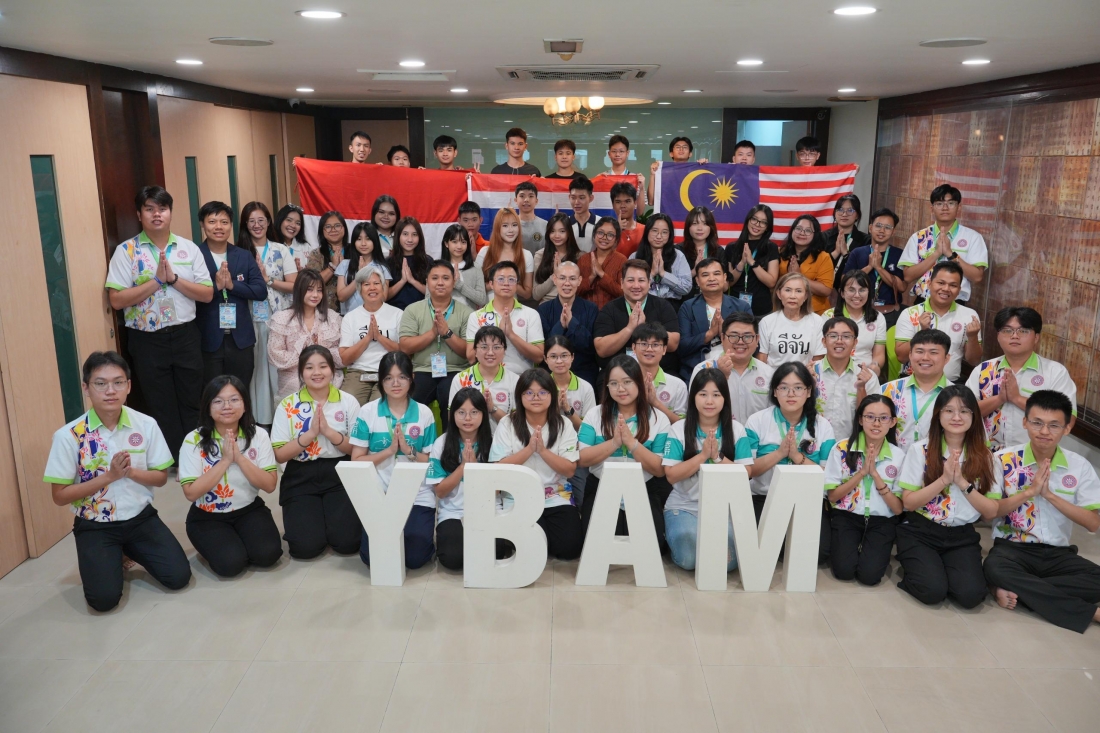
Malaysia (Bimas Buddha) –Four days in Malaysia offered a meaningful journey of learning and discovery for Buddhist youth from Indonesia, Thailand, and Malaysia. From university campuses and Buddhist temples to historical landmarks and discussions on artificial intelligence (AI), each activity provided an opportunity to explore different cultures, exchange perspectives, and build friendships across borders. These experiences were part of the ASEAN+ Buddhist Culture Youth Programme 2026, held from 12 to 15 November 2026. The international youth programme was jointly organized by Pemuda Therav?da Indonesia (PATRIA), the Young Buddhist Association of Thailand (YBAT), and the Young Buddhist Association of Malaysia (YBAM), with support from the World Fellowship of Buddhist Youth (WFBY).
Day One: Exploring Academic Life and Ethics in the Digital Age
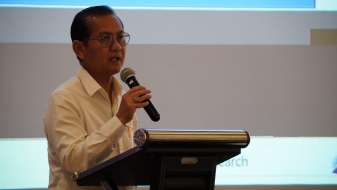
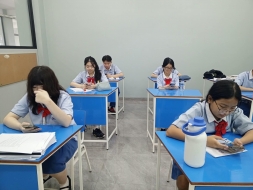
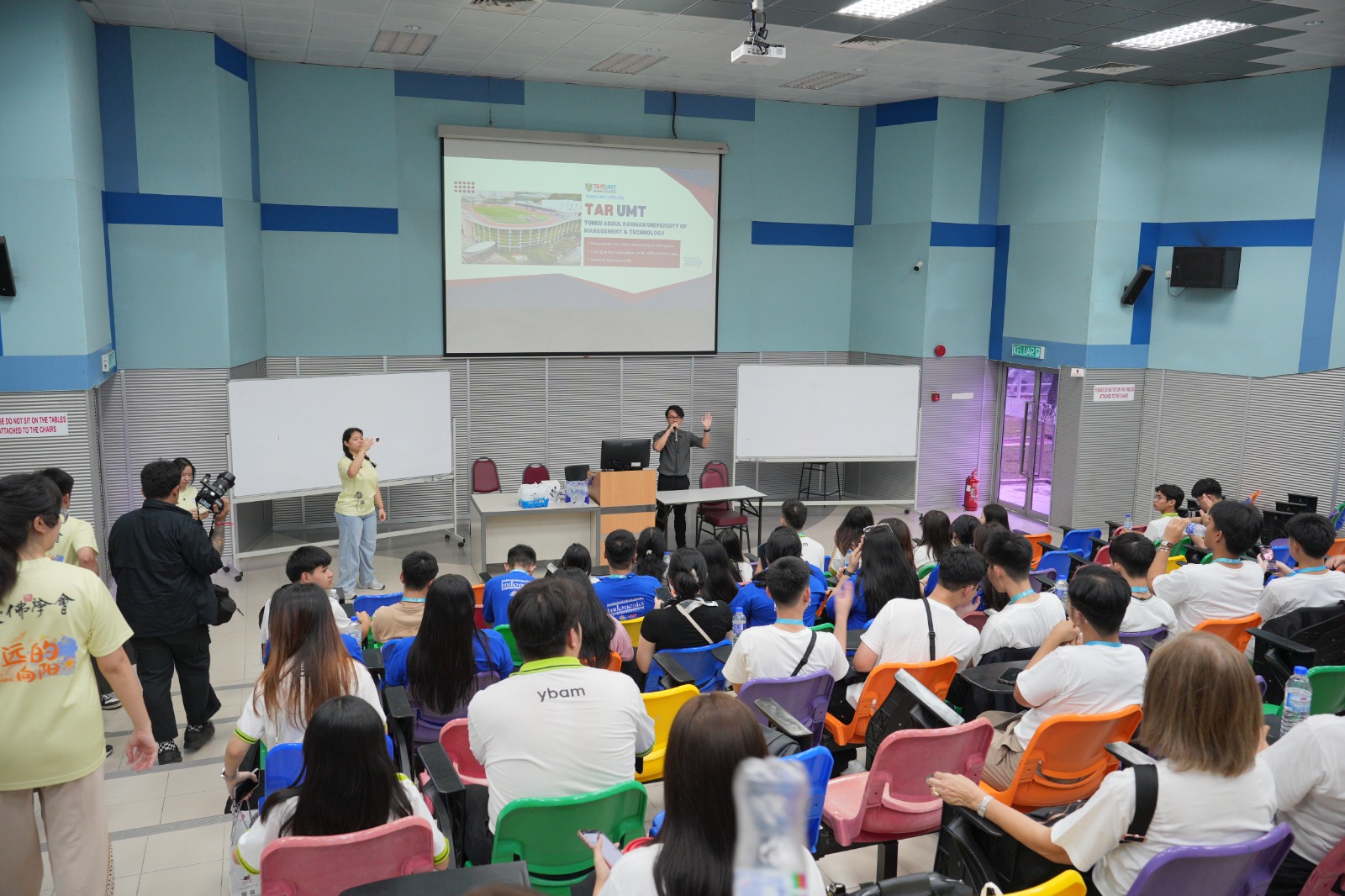
The journey began on Thursday (November 12, 2026) in Kuala Lumpur. Upon arriving in Malaysia through Kuala Lumpur International Airport (KLIA), participants started their programme with a visit to Tunku Abdul Rahman University of Management and Technology (TAR UMT).At the university, participants explored the campus facilities and academic programmes while learning more about its higher education environment. They also had the opportunity to interact with members of the TAR UMT Buddhist Society, sharing experiences and perspectives on student life in their respective countries. The group then visited the headquarters of the Young Buddhist Association of Malaysia (YBAM), where participants learned more about the organization and its role in supporting and developing Buddhist youth. One of the day's highlights was a discussion entitled Right Livelihood in the Digital Age: AI, Blockchain and the Future of Ethics. The session explored the relationship between Buddhist values and technological developments, particularly artificial intelligence and blockchain. The first day concluded with an informal introduction session, where participants got to know one another and joined their assigned groups for the programme.
Day Two: Discovering History and Celebrating Cultural Diversity
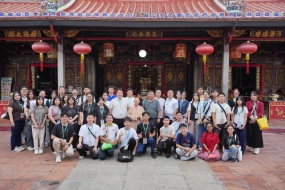
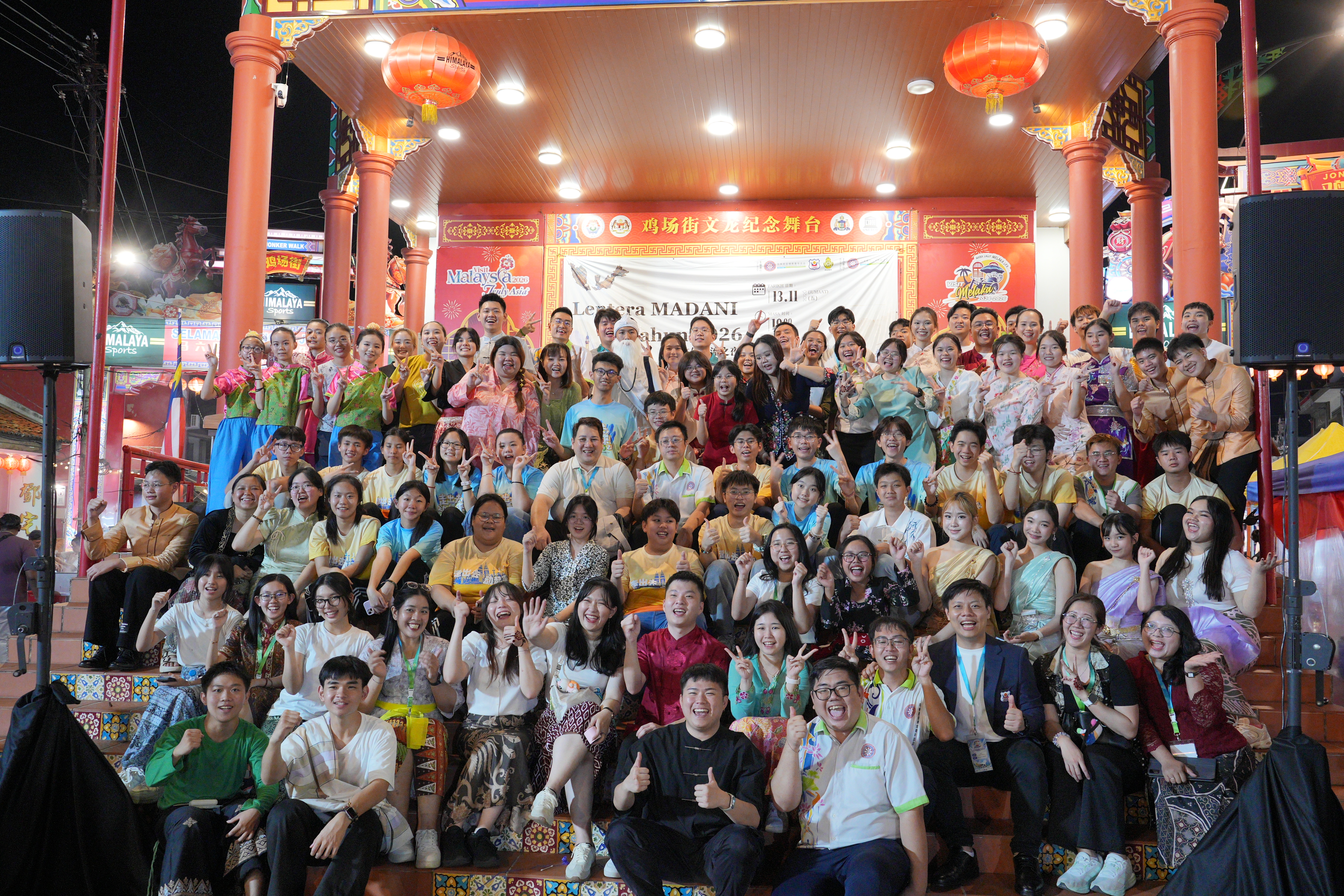
On Friday (November 13, 2026), the journey continued with a visit to the National Museum in Kuala Lumpur. Through this visit, participants gained insights into Malaysia's history, traditions, and cultural heritage.The group then travelled to Melaka and visited Buddha Puttra Vihara, which served as both their accommodation and a place for learning throughout the programme. They also visited Cheng Hoon Teng Temple, gaining firsthand insights into the religious life and cultural heritage of the local community. The spirit of friendship became even more evident during the programme’s opening ceremony. Delegations from Indonesia, Thailand, and Malaysia showcased their respective cultural traditions through artistic performances. The Indonesian delegation presented the beloved folktale Timun Mas through traditional dance and songs from across the Indonesian archipelago, offering a glimpse into Indonesia’s rich cultural diversity and creating a meaningful moment of cultural exchange. Differences in language and cultural backgrounds became an opportunity for connection and mutual appreciation. In the evening, participants explored Jonker Walk, a popular area known for its vibrant local culture and atmosphere. The day concluded with an evening puja at Buddha Puttra Vihara.
Day Three: Deepening Dhamma Learning and Exploring Melaka's Heritage
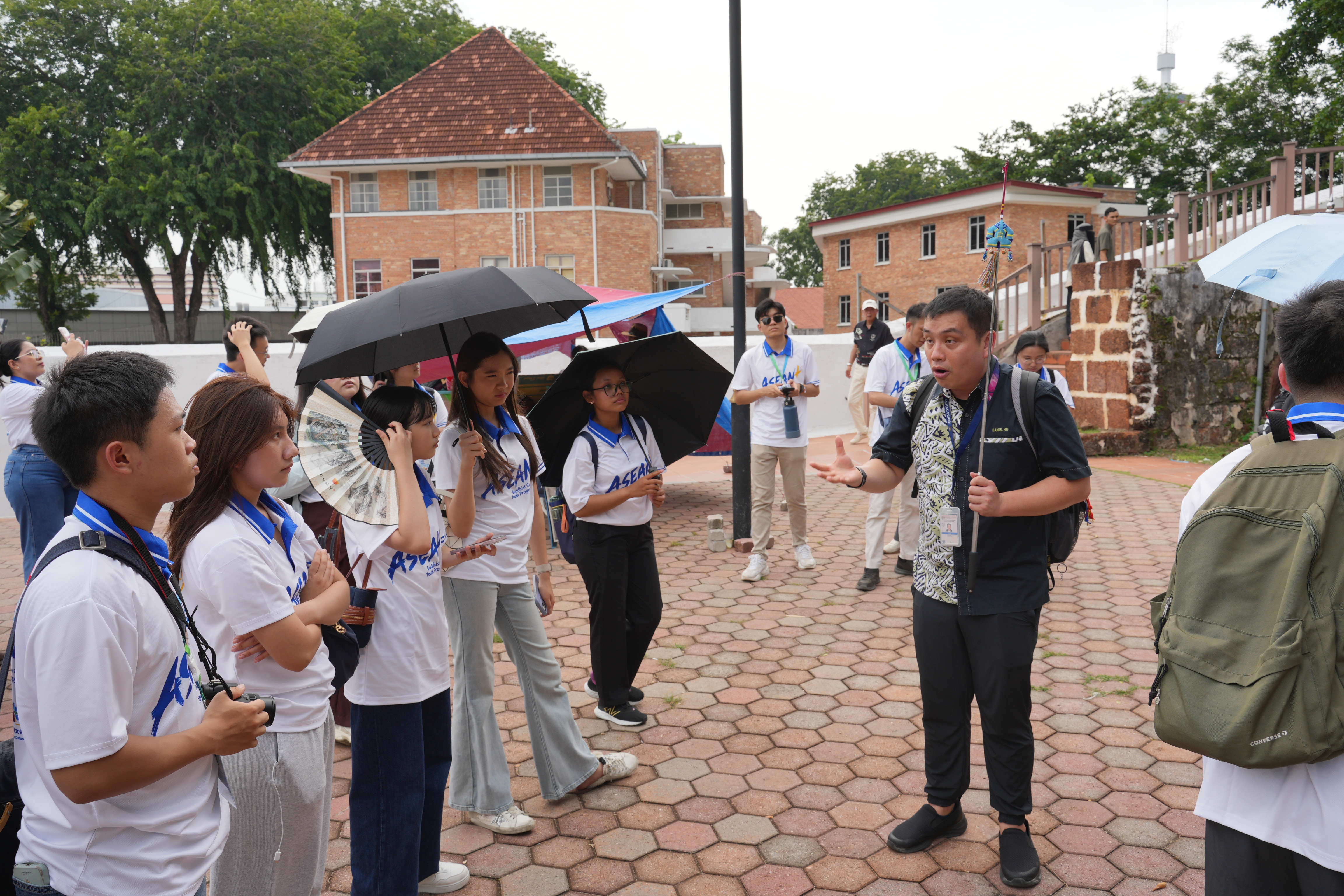
Saturday (November, 14 2026) offered participants another opportunity to deepen their understanding of Buddhism while discovering more of Melaka's cultural heritage. The day began with a morning puja at Buddha Puttra Vihara, followed by a sharing session with Venerable Zongping. Participants had the opportunity to learn, exchange thoughts, and reflect on Buddhist teachings. The programme continued with interactive storytelling and board game sessions. These educational activities encouraged communication, creativity, active participation, and closer connections among participants. Learning also extended beyond the classroom through a cultural tour of several historical sites in Melaka. Participants visited A'Famosa, Stadthuys, San Shu Gong, and Jonker Street. The journey offered a glimpse into Malaysia's rich history and the cultural diversity that shapes its society. Before the day's activities came to an end, participants also had the opportunity to visit the Petronas Twin Towers in Kuala Lumpur, one of Malaysia's most iconic landmarks.
Day Four: Exploring Buddhism and the Future of Technology
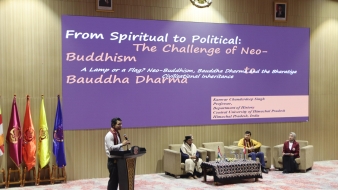
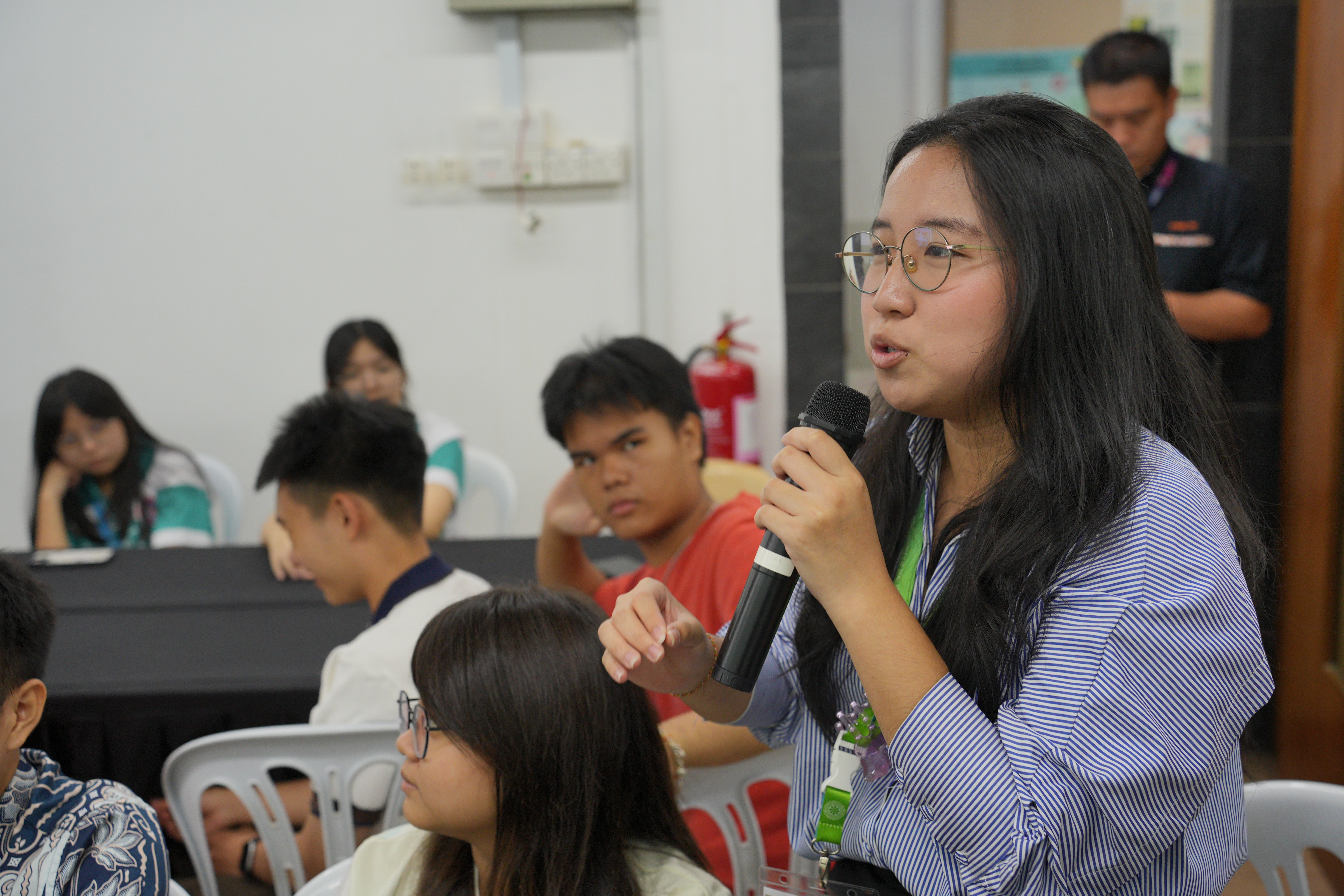
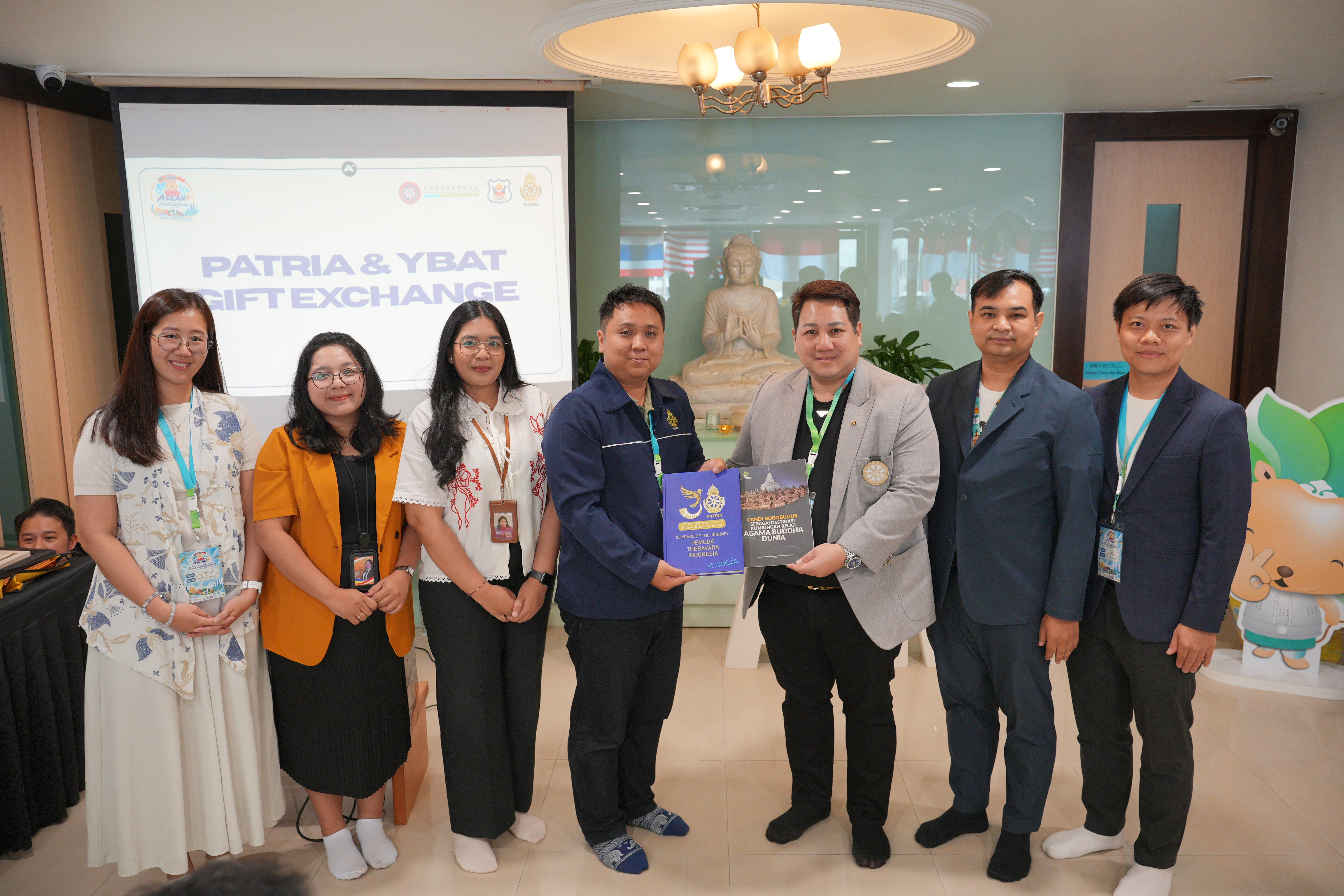
On Sunday (November 15, 2026), the final day of the programme featured a series of activities at YBAM. Participants took part in Buddhist activities, followed by sharing sessions where delegations exchanged experiences and perspectives. The discussions provided an opportunity to reflect on their experiences throughout the programme and learn more about Buddhist youth initiatives in each country. One of the key highlights was the session entitled Buddhism with AI. The discussion invited participants to explore the relationship between Buddhist teachings and artificial intelligence. Amid rapid technological developments, the session highlighted the importance of wisdom and ethical responsibility in making use of digital innovations.The programme concluded with a farewell gathering and an exchange of souvenirs. Although this marked the end of four days of activities, it also symbolized the beginning of friendships that participants hope to maintain beyond the programme.
More Than Just an International Journey. Over four days, the ASEAN+ Buddhist Culture Youth Programme 2026 offered participants a wide range of meaningful experiences. Beyond visiting new places, they connected with local communities, explored cultural traditions, deepened their understanding of Dhamma, and discussed issues relevant to the lives of today's younger generation. From university visits and Buddhist temples to museums and technology discussions, the programme demonstrated that learning can take place in many different settings. Cross-border encounters also created opportunities for young people to expand their networks and develop a deeper appreciation of cultural diversity. The experience in Malaysia is expected to remain meaningful long after participants return to their respective countries. The friendships, knowledge, and perspectives gained throughout the programme can serve as a foundation for strengthening Buddhist youth initiatives and encouraging positive contributions to society.